Back to Work
Skill

eLearning Development

I build interactive learning experiences — courses designed to be finished, not just clicked through.

Learning experience design sits between instructional design and production. I build interactive courses that carry a narrative, adapt to the learner, and use motion and media where it helps. The tools change with the project; the goal is learning that holds attention and gets completed.

StorylineRiseHTML5JavaScriptCSSLearning Experience DesignInteractivity

Samples

1 / 6

Code of Conduct title

Code of Conduct

In-Depth Use Cases

Two enterprise courses — a cinematic Code of Conduct, and an information-security narrative built around Harry the Hacker.

Case 01 / 02

Code of Conduct

After EffectsCinema 4DComplianceAI Translation

The Project

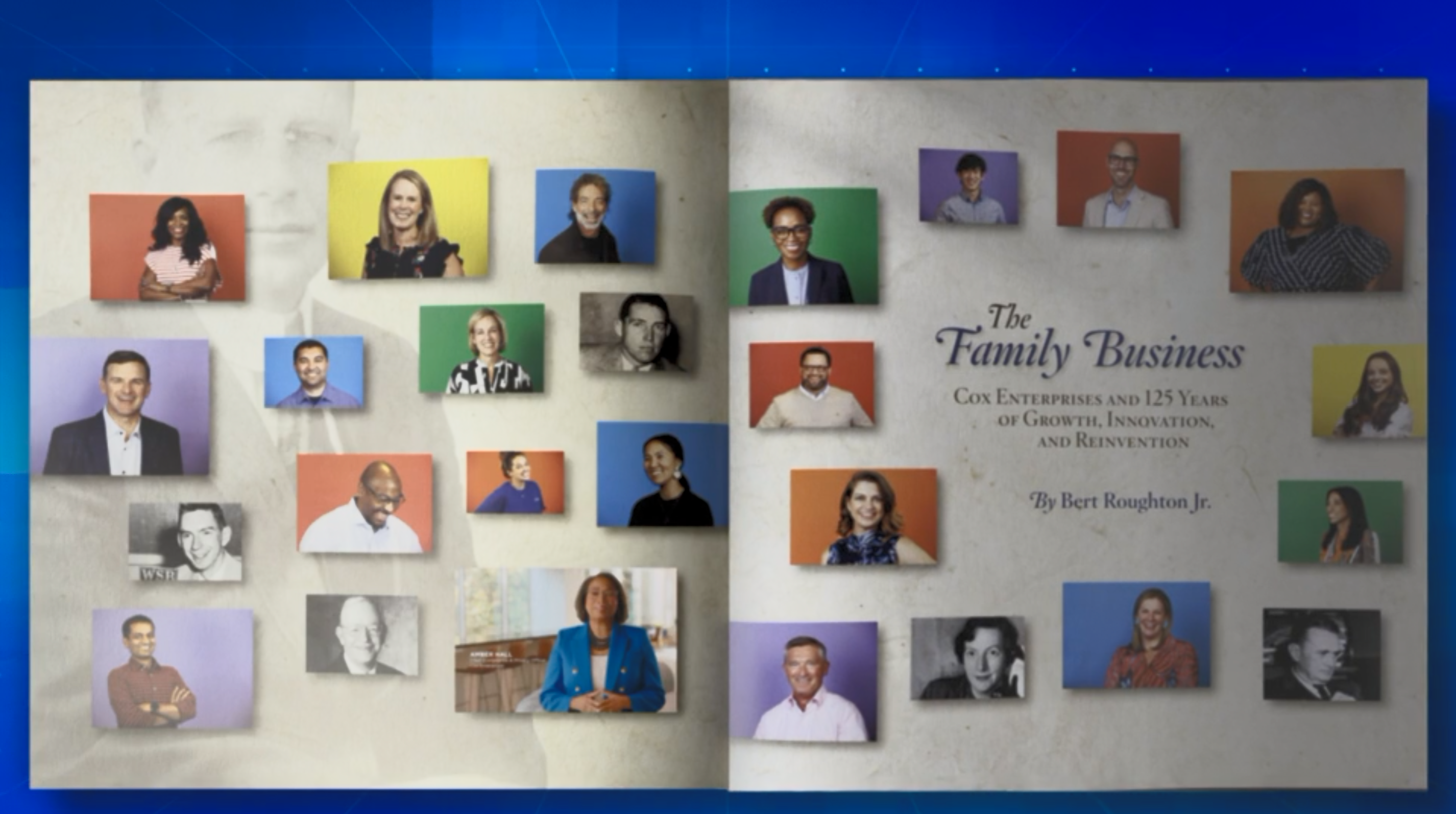
An enterprise-wide compliance course I led two years in a row. The most recent version opens cinematically: a video flips through the book COX: The Family Business with voiceover narration. When the voiceover ends, the book closes and the camera zooms out to find it sitting on a desk in a Cox office — an environment fully modeled in Cinema 4D. A virtual-guide avatar briefs the learner, then they’re whisked into the computer screen through a wormhole to continue the course.

Business Purpose

Code of Conduct was required training for every segment of the company. A generic compliance module wasn’t going to represent a family business or earn attention from people who had already taken the course before. It needed to feel like Cox — and like a film, not a policy PDF.

My Role

I led the project two years running. On the latest version I fully built the course intro in After Effects and Cinema 4D — the book, the office, the camera move, the avatar handoff, and the wormhole into the rest of the experience. I also used AI to translate all text and voiceover into three separate versions: English, Spanish, and French.

The Build

The opening was produced in Cinema 4D and After Effects: a page-flip through COX: The Family Business, a pull-out to a modeled Cox office, a virtual guide, and a wormhole transition into the course. The rest of the experience carried that tone through the required compliance content. Localization wasn’t an afterthought — text and voiceover were translated so the same cinematic course shipped in English, Spanish, and French.

Impact

Required for every segment, the course hit 100% completion. One cinematic production in English, Spanish, and French meant the whole company got the same quality experience — not a watered-down translation for some audiences. It turned a yearly mandate into a shared story about how the business operates, and it raised the bar for every compliance course that came after it.
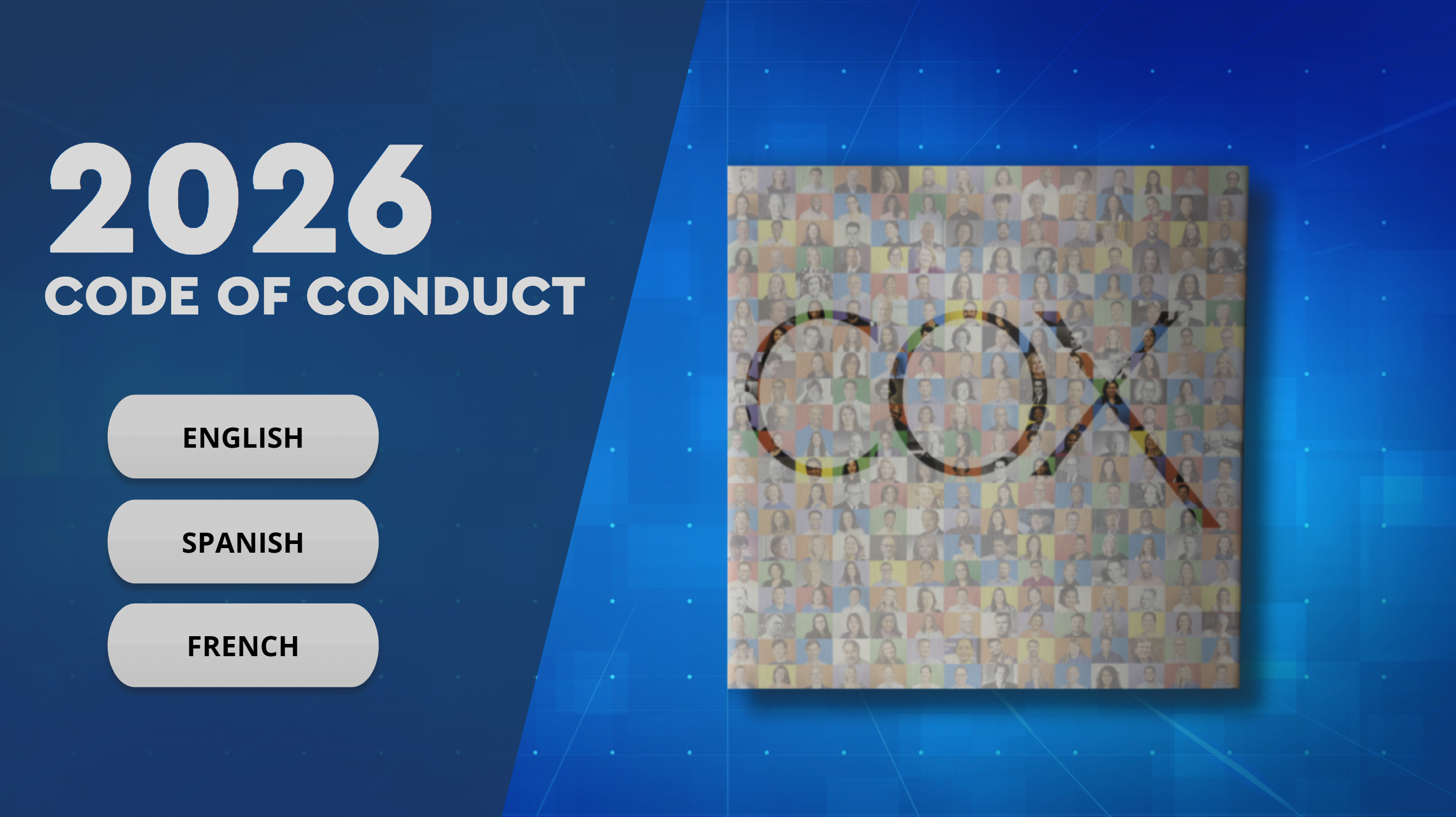
2026 Code of Conduct title with English, Spanish, and French
Opening spread of COX: The Family Business
Wormhole on the office monitor

Case 02 / 02

Harry the Hacker

Cinema 4DInfoSecNarrativeGame Design

The Project

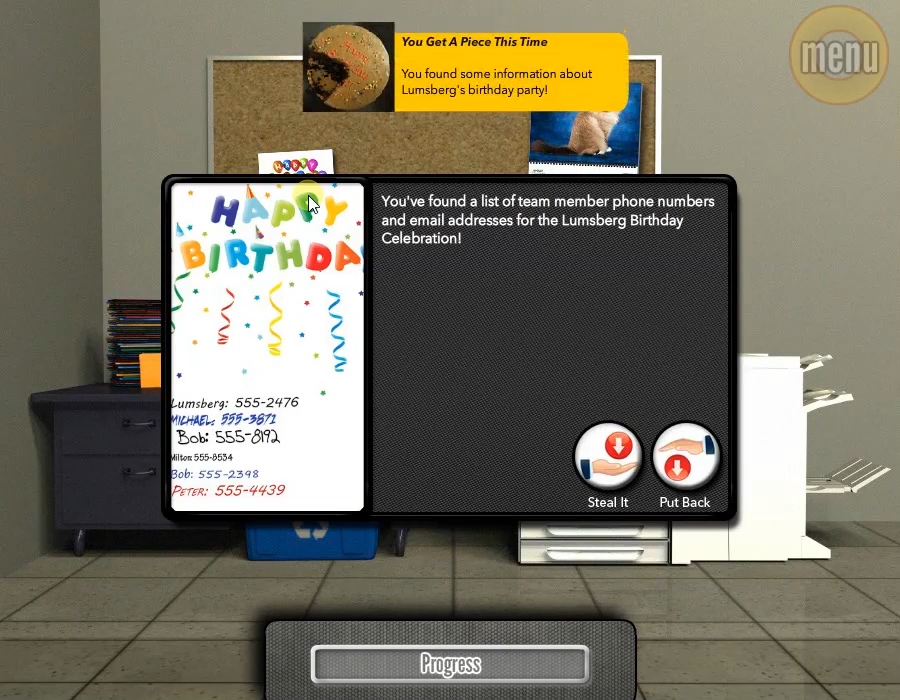
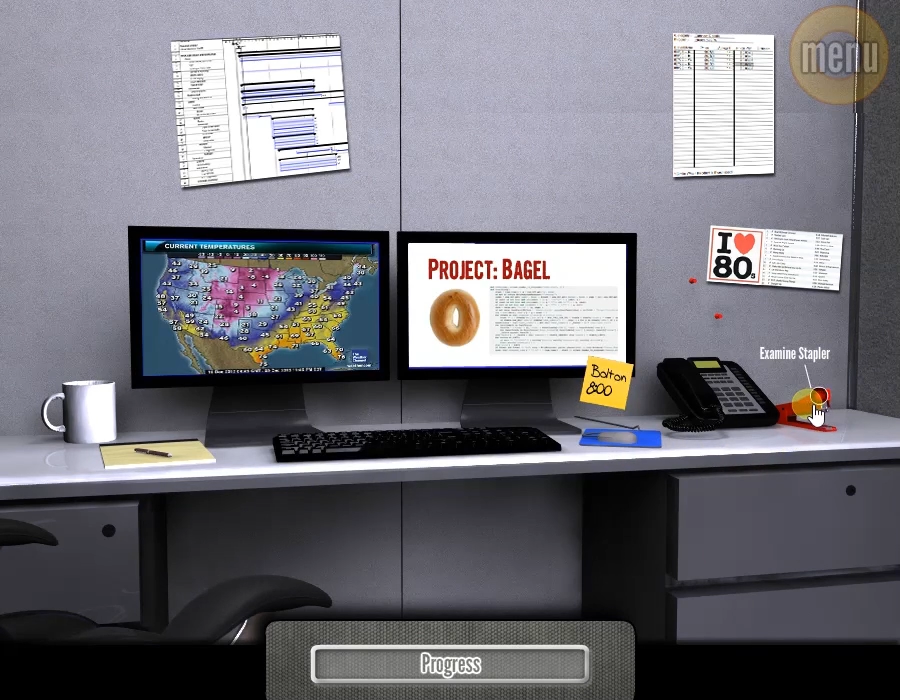
A company-wide information security course built around a character named Harry the Hacker. Harry infiltrates a company with a team of hackers to steal proprietary information — and the learner takes on the role of those hackers, moving through an office looking for information that should never have been left out in the open. It’s a pointed way to teach people to lock their computers and secure confidential information. The course plays like a game, with several environments (cubicle, break room, server room) and an achievement system for hidden easter eggs along the way.

Business Purpose

Information security training is usually a list of rules. This course needed the entire company to change a few everyday habits — lock the screen, put the papers away — without another lecture. Putting the learner on the hacker’s side made the risk visible: if you can find it, so can Harry.

My Role

I designed the narrative, the environments, and the achievement loop. Each space was laid out in Cinema 4D so the cubicle, break room, and server room felt like real places to search. I built the easter-egg badge system so exploring the office wasn’t optional flavor — it was the point.

The Build

Every environment was designed in Cinema 4D as a specific layout the learner could move through. The course has a gamified structure: play a space, look for what shouldn’t be there, collect badges for hidden easter eggs, then move on to the next room. The hacker framing stays consistent from cubicle to break room to server room, so the lesson is the same no matter which door you open.

Impact

Putting the learner on the hacker’s side changed how people treated a locked screen and a clean desk. Instead of clicking through a policy, they hunted an office for mistakes — and the badge loop kept them exploring long after they’d have bailed on a standard InfoSec module. The habits the course was built to teach (lock it, hide it, don’t leave it out) became the story people remembered, which is the whole point of security awareness: fewer open doors for a real Harry.

Finding a birthday card with employee phone numbers
Cubicle with an unlocked computer and Project Bagel on screen
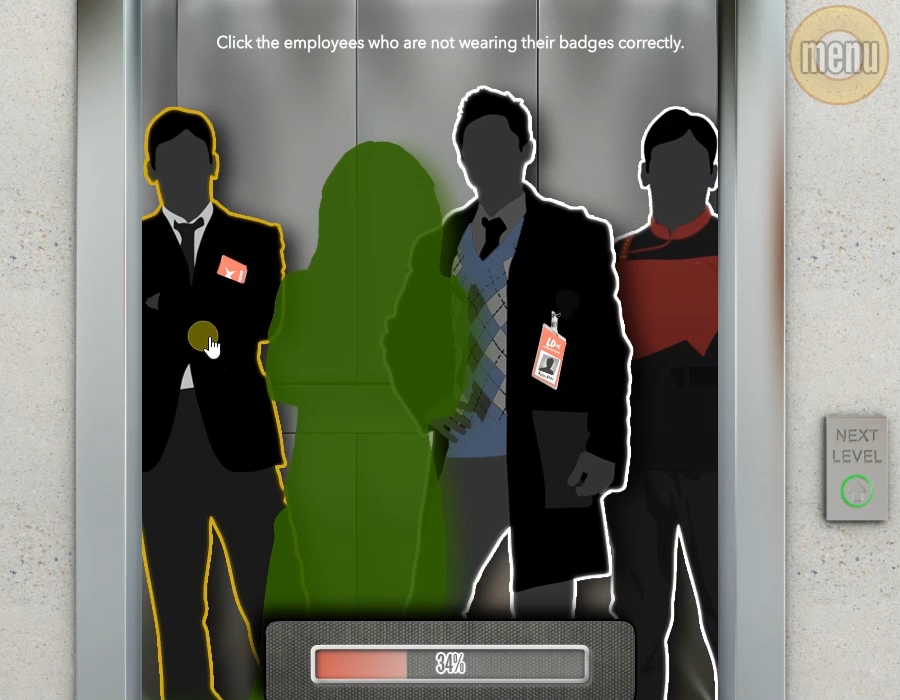
Elevator hotspot: employees not wearing badges correctly