Back to Work
Skill

Visual Production

I shoot stills and video — photography, videography, and studio work that puts real places and people on screen.

Visual production is the camera side of the work. I shoot stills and motion in the studio and on location — interviews, product, process, and environment — so the final piece uses real footage instead of only stock. Lighting, framing, and capture are part of the same pipeline as design and motion.

PhotographyVideographyEditingStudio LightingOn LocationGreen ScreenB-Roll

Samples

1 / 5

Pittsburgh

Sample drops in here

Pittsburgh

In-Depth Use Cases

Two practices behind the camera — stills that travel, and video that can live in a studio or on the floor.

Case 01 / 02

Still Photography

PhotographyPittsburghClevelandAtlanta

The Project

I’m skilled with a camera, and I often travel across the country taking photos. That work shows up in eLearning Development and motion: on-location shots, product photography, the still that has to feel like it belongs in the piece instead of sitting next to it. I keep an extensive travel portfolio, and I’m open to getting on a plane to get the shot.

Business Purpose

Stock is fast until it isn’t — until the product is yours, the location is yours, or the hallway in the library doesn’t look like the hallway people actually walk. Learning and motion need images that are specific. A photographer who already travels, and who understands how the still will be used in a course, closes that gap without hiring a separate production.

My Role

I shoot the stills with the end use in mind. Location, product, travel — framed and lit so they hold up inside a module or a motion graphic, not just on a grid. The travel portfolio is the proof of range; the next assignment is whatever the project needs.

The Build

On-location and product work, shot to drop into eLearning Development and motion rather than to live as a gallery. Travel kit, natural and controlled light, enough finishing so a set of images feels like one system. No one-off snapshots that fight the rest of the course. If the shot doesn’t exist yet, I’ll go get it.

Impact

Courses and videos stop looking assembled from the same five stock sites. Real products, real places, a photographer who will travel for the frame. The library of work is already there — and when the next module needs a specific object or a specific city, the camera is part of the team, not a vendor ticket.
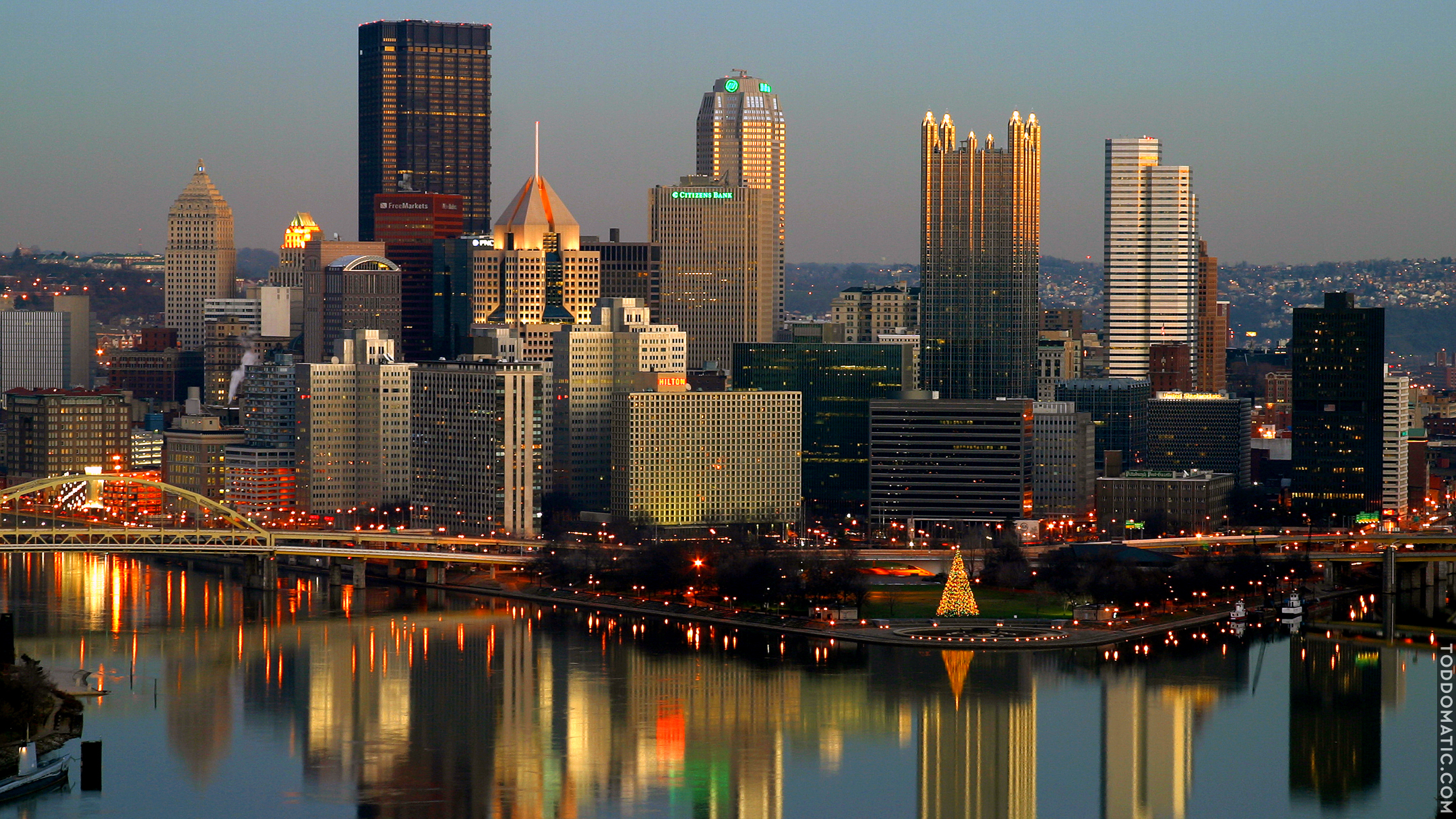
Pittsburgh skyline at dusk with bridges and Christmas tree
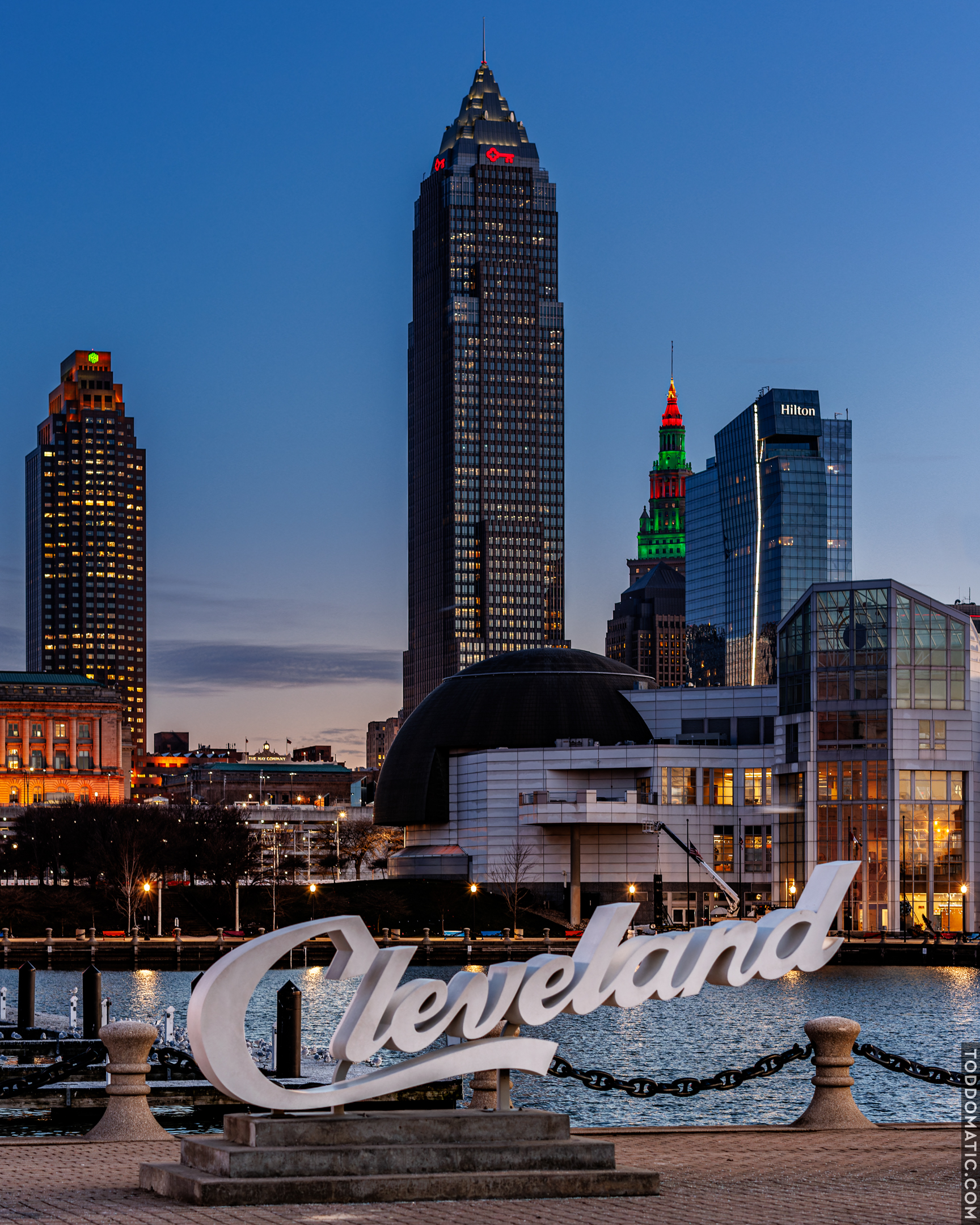
Cleveland skyline with the Cleveland sign
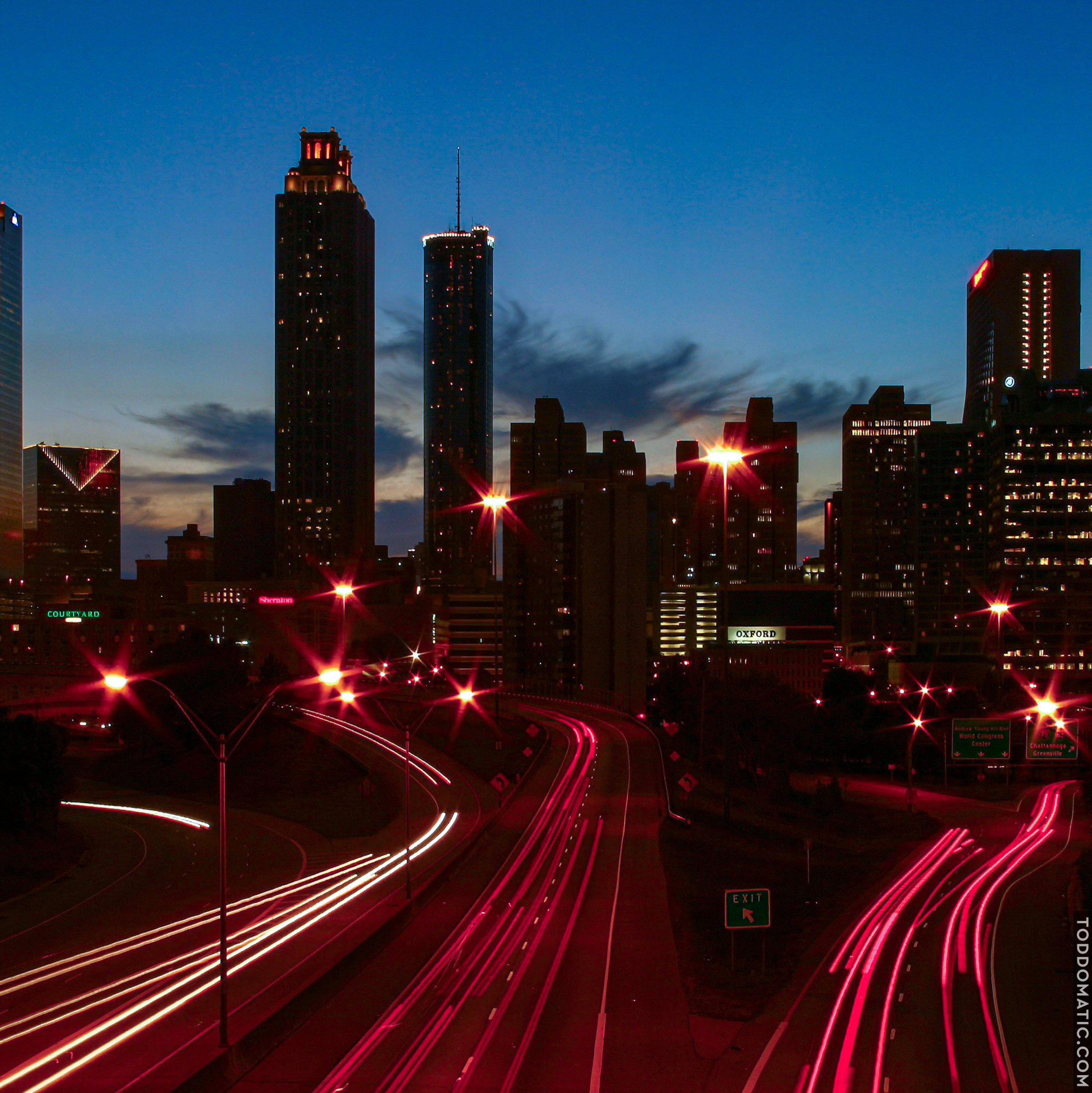
Atlanta night skyline with light trails

Case 02 / 02

Videography

VideographyAttracting Top TalentGreen ScreenB-Roll

The Project

I film leaders and colleagues for interview and introduction videos — in studio with professional lighting and green screen, and on location with portable lighting and wireless microphones. The travel photography carries over: on-location B-roll, and actual filmed processes cut into training videos so the course shows the work, not a recreation of it.

Business Purpose

Talking-head training dies when it looks like a webcam. Leadership intros die when they look like a stock actor. The business needs people on camera who are actually the people — lit, miked, and cut so the footage can live in a course, a motion piece, or an all-hands without looking like a different production.

My Role

I run the camera, the light, and the sound. Studio when we need control and a green screen. Location when we need the actual floor. I treat B-roll like the stills: go to where the work happens, film the process, bring it back so the video isn’t a lecture with a stock hallway behind it.

The Build

Studio setups with professional lighting and green screen for interviews and intros. On-location kits with portable lights and wireless mics so the interview can happen where the work happens. B-roll of real processes, framed to cut into training and motion. Same eye as the photography — just moving.

Impact

Leaders and SMEs get on camera without a hired crew. Studio when you need a clean key; location when you need the floor. Training videos show the actual process instead of a recreation, and intro pieces look like they belong next to the rest of the brand — not like they were shot in a conference room at noon.

Attracting Top Talent interview still
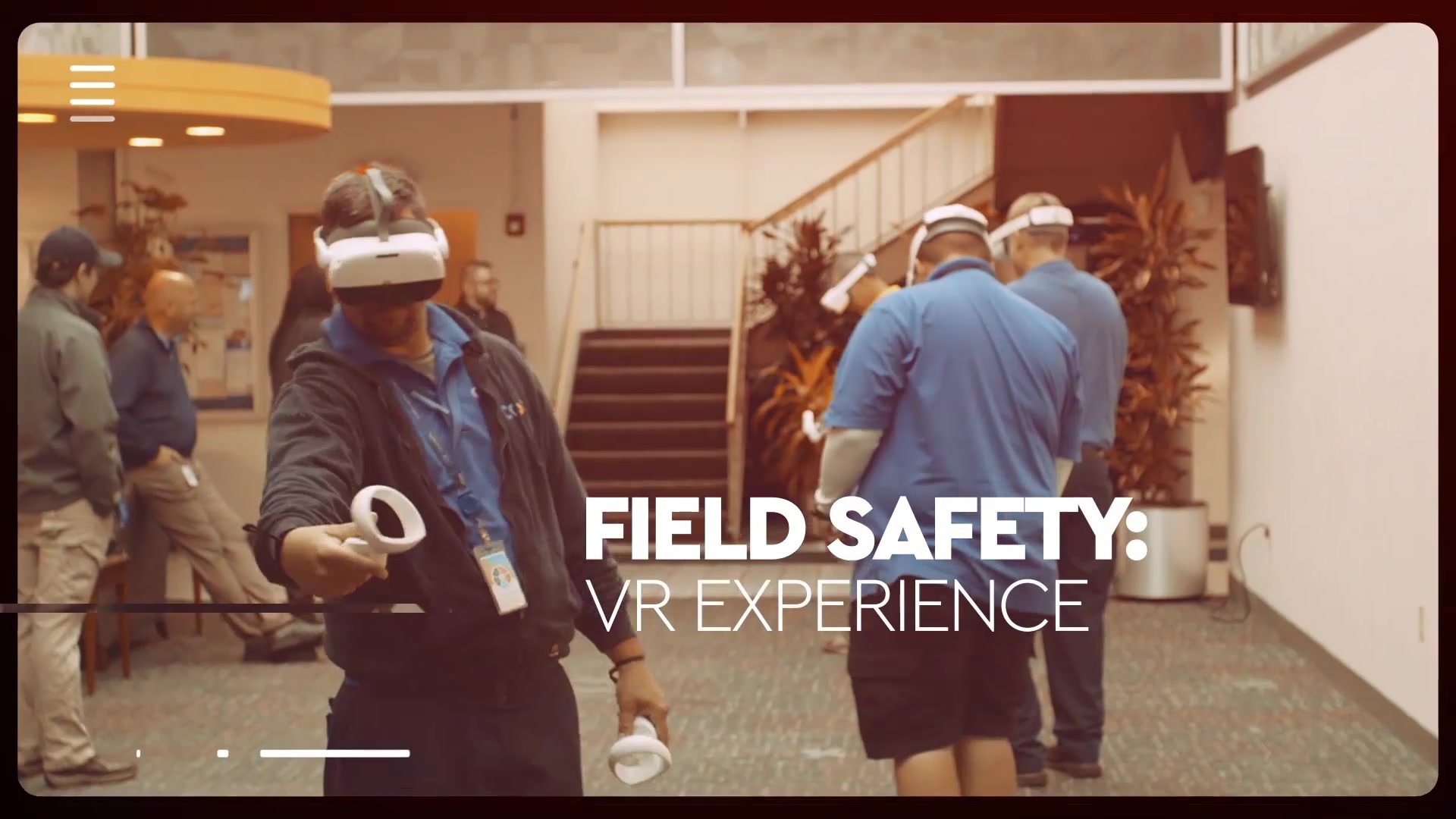
Field Safety VR experience still
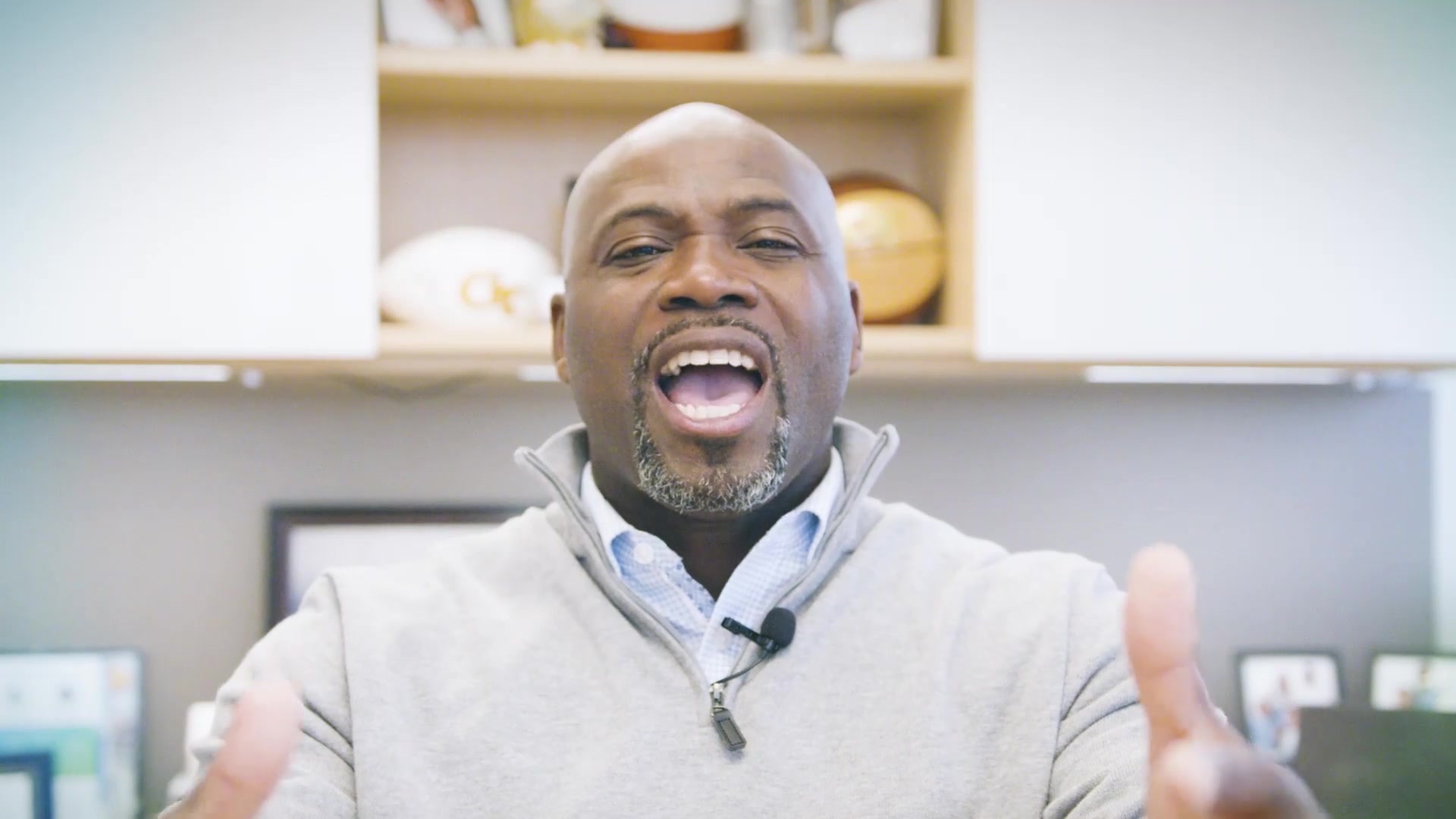
Raising the Bar engaged employees still