Back to Work
Skill

Interface Design

I design interfaces and interactions — UI/UX that puts the person using it at the center instead of the default template.

Interface design is the structure people move through. I design custom navigation, templates, and interactive layouts that replace the standard player — whether that’s a course menu, a 3D environment used as an interface, or a system that adapts to what the learner already knows. The goal is an experience that feels designed, not default.

StorylineHTML5JavaScriptFigmaUI/UXInteraction DesignCustom Navigation

Samples

1 / 6

MDU city map interface

MDU

In-Depth Use Cases

Two courses that replaced the menu with a world — a fold-out city map for MDU sales, and an Old West town for a style guide.

Case 01 / 02

MDU eLearning Development

MayaCaptivate3D MapMDU

The Project

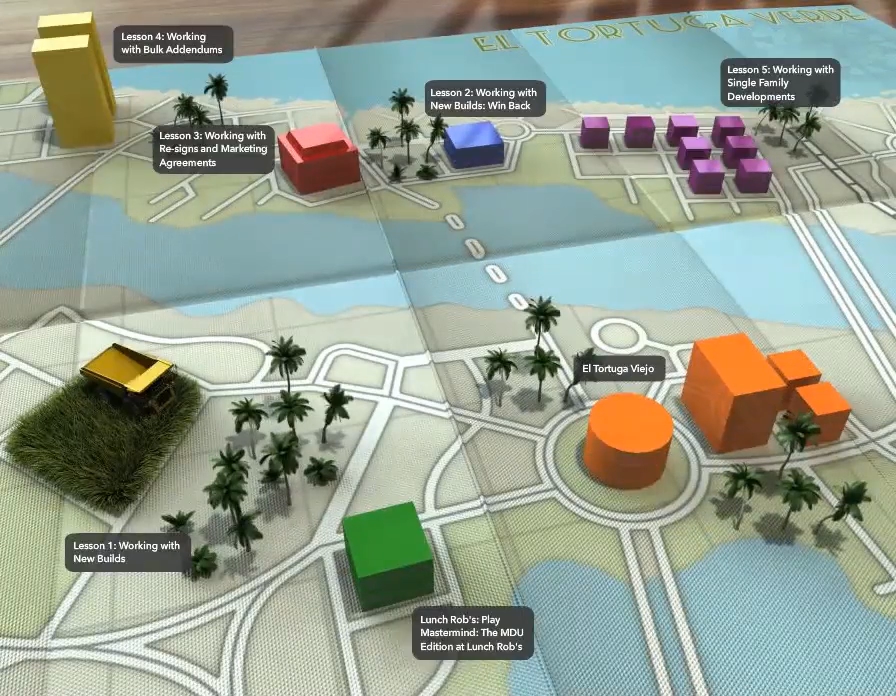
A course for selling cable services into multiple dwelling units, built around a fold-out map of a fictional city called Tortuga Verde. The interface is the map: basic 3D blocks for apartment buildings, hotels, and condos. Each building is a separate module. Instead of a typical menu or a Next button, the learner opens the map and explores the city.

Business Purpose

MDU sales is a set of building types, objections, and plays — easy to dump into a linear module nobody finishes. The team needed reps to learn the work by going into the buildings, not by clicking a list of titles. An open map made the course feel like territory they could work, which is closer to the job than a table of contents.

My Role

I designed the city as the interface. Tortuga Verde, the fold-out map, the 3D blocks for each property type, and how a click on a building became a module. The 3D is navigation, not a background. Content lived inside the buildings so the map was the course.

The Build

The map and city were modeled in Autodesk Maya — simple 3D blocks for apartments, hotels, and condos, readable at a glance on a fold-out. Course content was built in Adobe Captivate and launched from the map, one building per module. No player chrome competing with the city. Open the map, pick a property, go to work.

Impact

Reps learned MDU selling by walking a city instead of paging a menu. The map made the work spatial — hotels here, condos there, each building a different play — so the course felt closer to the territory than a list of links. People explored instead of clicking Next, and the city stuck as the mental model for the job.
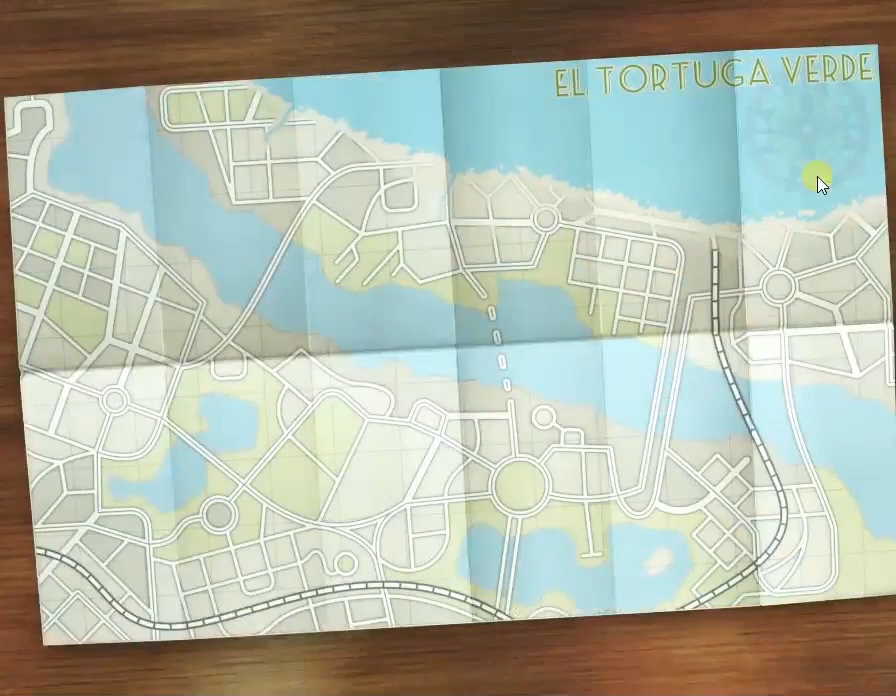
Fold-out map of El Tortuga Verde
3D building blocks on the Tortuga Verde map
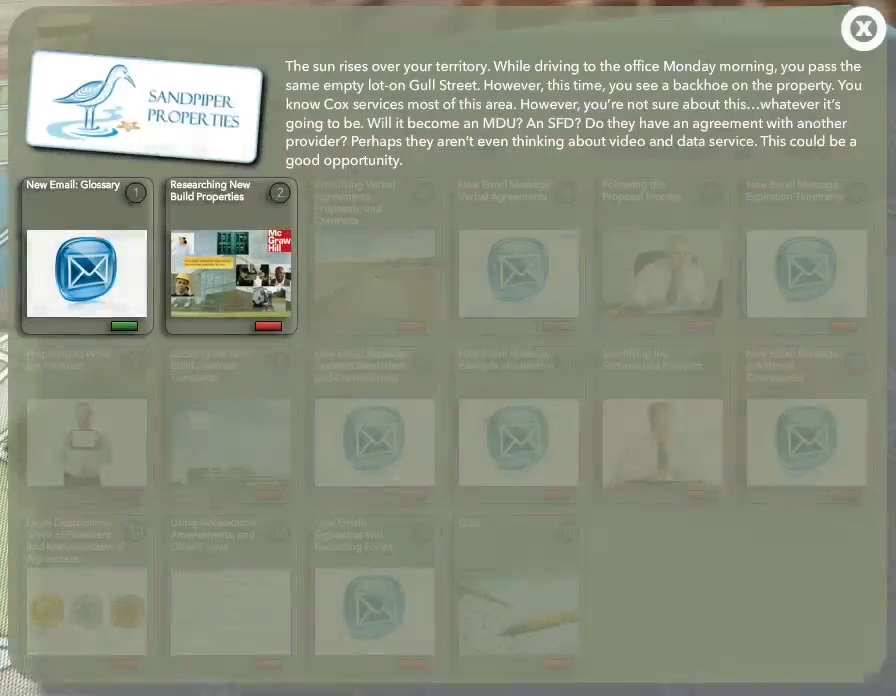
Sandpiper Properties module launched from the map

Case 02 / 02

Style Guide

MayaMudboxStorylineCaptivate

The Project

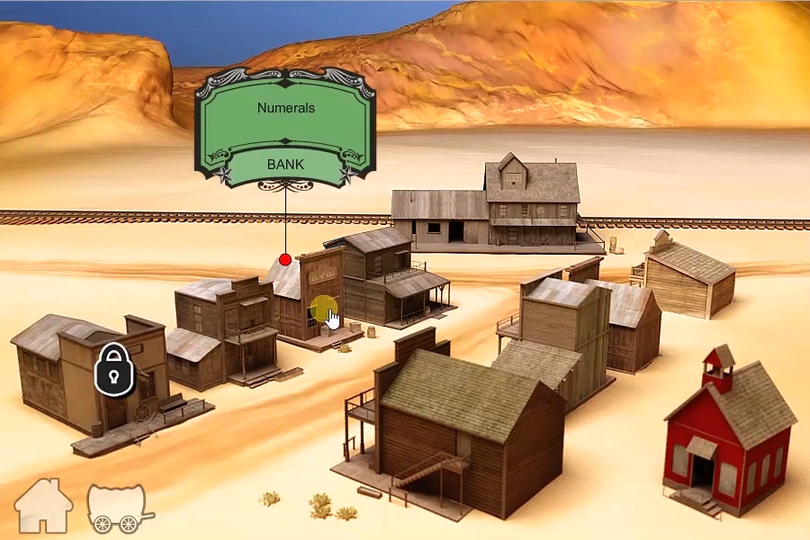
An eLearning Development course for an internal style guide — grammar, punctuation, formatting, and tone for writing articles. Instead of a PDF, I built an immersive Old West town. Each building is a module: the bank for numerals, the schoolhouse for grammar, the photo studio for images. A unique character in each building guides you through. Finish a module and you get a collectible in your inventory, plus an interactive book you can open anytime to refresh. The course plays like an old-school adventure game.

Business Purpose

A style guide as a PDF is a document people bookmark and never open. Writers still needed the standards — grammar, punctuation, numerals, images, tone — but they were not going to sit through a handbook. The town turned the guide into a place you visit, with a reason to finish every building and a book in your inventory when you need the rule later.

My Role

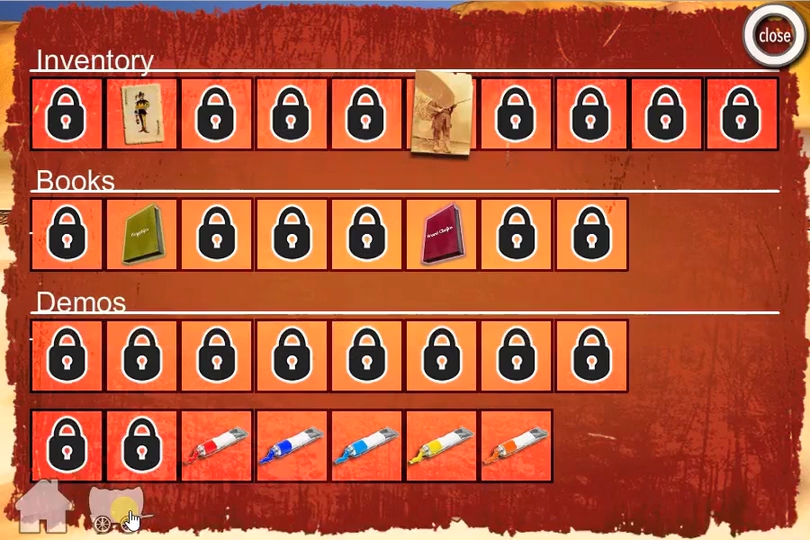
I designed the town, the characters, the inventory, and the books. Each building is a module with its own guide. Completing it rewards a unique collectible and an interactive reference you can return to. The Old West is the skin; the adventure-game loop is how a style guide actually gets used.

The Build

The town was modeled in Autodesk Maya. Characters were sculpted in Autodesk Mudbox. The interactive books were built in Adobe Captivate. The course itself was developed in Articulate Storyline — custom navigation, inventory, and the adventure-game loop that ties the buildings together. No built-in player. You walk the town.

Impact

A style guide people finished. Collectibles pulled writers through every building instead of skimming a PDF, and the books stayed in inventory as a job aid after the course was over. Grammar, numerals, and image rules lived in characters and places, so the standards stuck — and writing in the internal system started matching the guide because people had actually been to the town.

Old West town with the Bank / Numerals hotspot
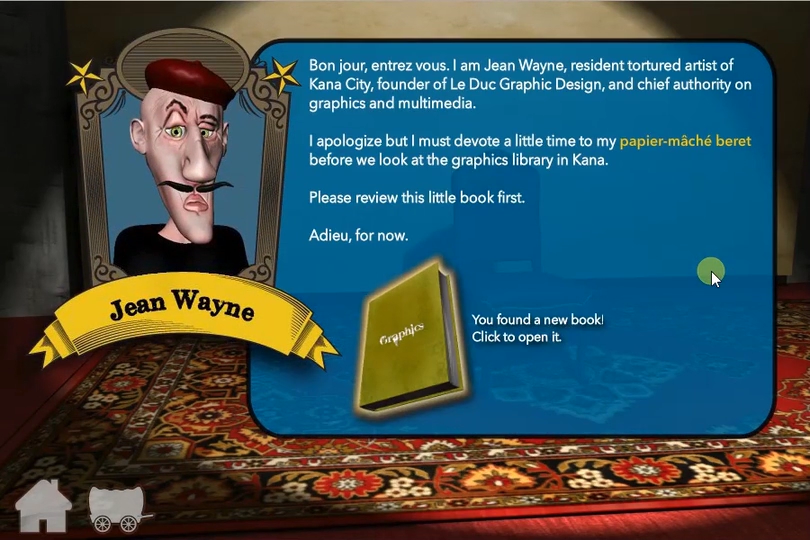
Jean Wayne character introducing a graphics book
Inventory, books, and demos in the style guide course